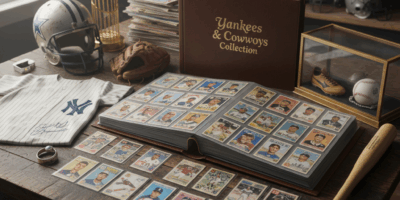
Starting a rare memorabilia collection has gotten complicated with all the authentication requirements and market noise flying around. As someone who’s built a collection of genuinely rare items from scratch, I learned everything there is to know about beginning this journey. Today, I will share it all with you.
Defining Rare
That’s what makes rare collecting endearing to us who seek the unusual — true rarity is different from manufactured scarcity. A /25 parallel is limited. A one-of-a-kind historical item is rare.
Focus on items that can’t be reproduced: game-used equipment, unique historical pieces, original photographs, one-of-one cards.
Starting Foundation
Probably should have led with this section, honestly. Before chasing rare items:
- Build general knowledge of your collecting area
- Understand typical values and authentication standards
- Learn to recognize red flags and forgeries
- Connect with reputable dealers and collectors
Categories to Consider
Rare memorabilia spans many types:
- Game-used equipment – Documented to specific games
- Original photographs – Wire photos, team photos
- Unique cards – Error cards, printing plates, proofs
- Championship items – Rings, trophies, game balls
- Historical documents – Contracts, letters, telegrams
Authentication Requirements
Rare items demand bulletproof authentication:
- Third-party authentication from recognized services
- Documented provenance chain
- Photo-matching where applicable
- Expert opinions from multiple sources
Budget Reality
Genuinely rare items cost money. Budget expectations:
- Entry rare – $500-2,000 (lesser-known players, supporting items)
- Mid-tier rare – $5,000-25,000 (quality pieces, significant players)
- Premium rare – $50,000+ (Hall of Famers, iconic moments)
Patience Required
Rare items don’t appear on command. Be prepared to:
- Wait months or years for specific pieces
- Pass on items that don’t meet authentication standards
- Pay premiums when the right item appears
Quality rare collections are built over decades, not months.