
Football card collecting has gotten complicated with all the license changes and rookie card proliferation flying around. As someone who’s followed the pigskin cardboard market through its evolution, I learned everything there is to know about building a football card collection. Today, I will share it all with you.
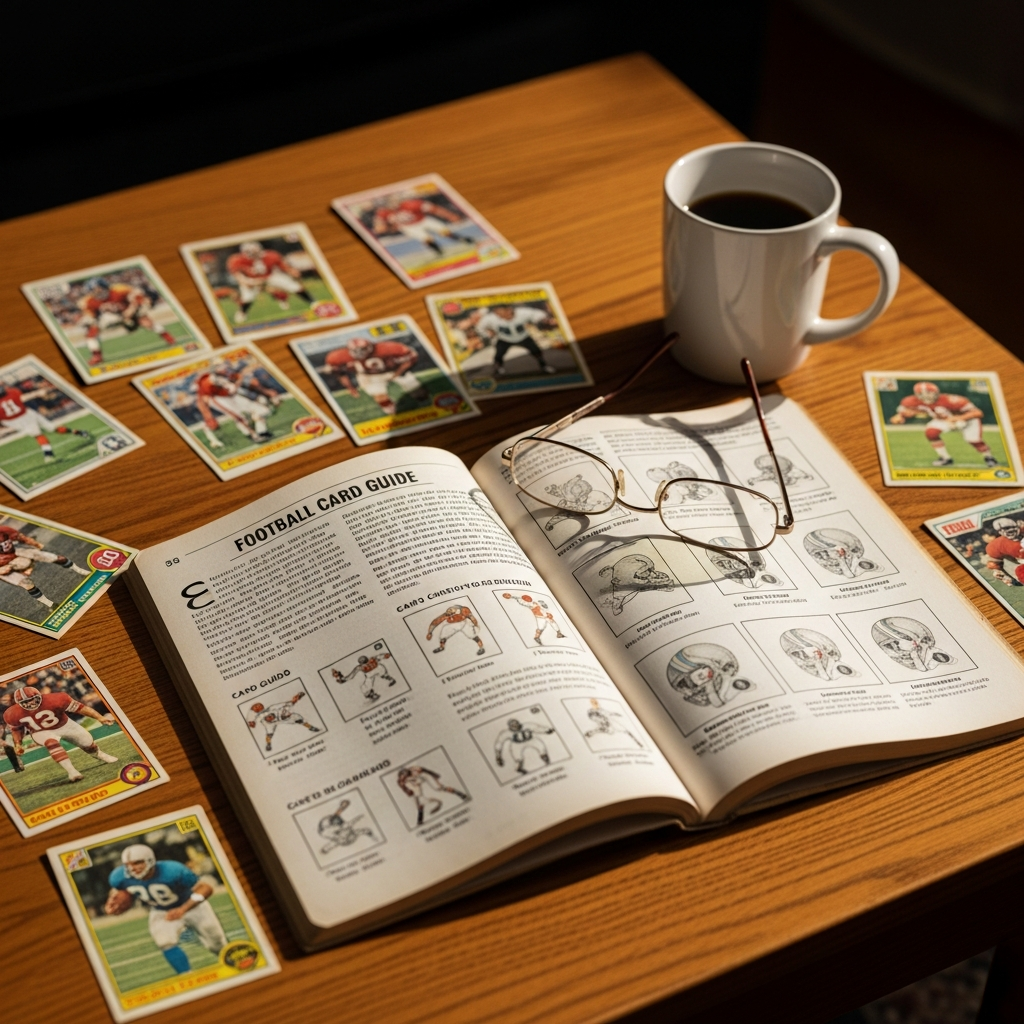
The Football Card Landscape
That’s what makes football collecting endearing to us gridiron fans — the combination of star power and team dynamics creates unique collecting opportunities. Quarterbacks dominate value, but skill players can pop too.
Key Rookie Products
Probably should have led with this section, honestly. The primary rookie cards to chase:
- Panini Prizm Silver – The mainstream standard
- Optic Rated Rookie – Popular alternative
- National Treasures RPA – High-end rookie patch auto
- Topps Chrome (now returning) – Historic brand coming back
Vintage Football
Important vintage sets:
- 1935 National Chicle – First major football cards
- 1958 Topps – Jim Brown rookie
- 1965 Topps – Joe Namath rookie
- 1981 Topps – Joe Montana rookie
- 2000 Products – Tom Brady rookie year
Position Premium
Position affects card values dramatically:
- Quarterbacks – Command the largest premiums
- Running backs/Wide receivers – Star skill players can pop
- Defensive stars – Generally undervalued relative to production
- Linemen – Almost no collector demand despite importance
The Licensing Situation
Panini has held exclusive NFL rights but Topps/Fanatics is taking over. This transition period creates both opportunity and uncertainty:
- Final Panini products may gain “last year” value
- First Topps products in years may generate hype
- Licensed vs. non-licensed debates continue
Collecting Strategy
Football collecting rewards patience. Rookie hype inflates prices initially. Many players don’t develop. Wait for the dust to settle before investing heavily in any single player.
The exceptions: obvious generational talents like a Patrick Mahomes. Even then, entry points matter. Buying at peak hype rarely works out.




Stay in the loop
Get the latest collector sports world updates delivered to your inbox.