
Understanding what holds value in modern cards has gotten complicated with all the parallel rainbows and numbered variations flying around. As someone who’s tracked which cards actually appreciate versus which ones languish, I learned everything there is to know about the value hierarchy. Today, I will share it all with you.
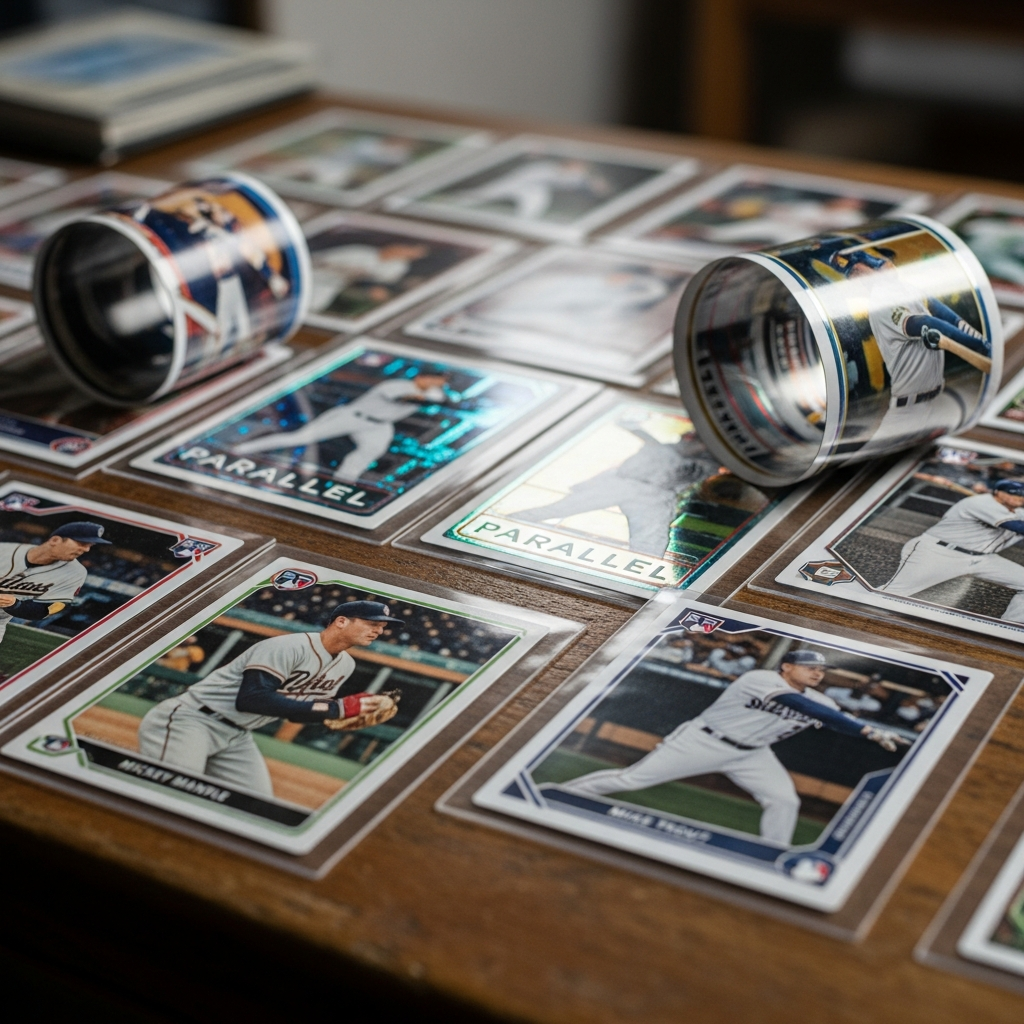
The Modern Card Pyramid
That’s what makes collecting strategically endearing to us who think about long-term value — not all cards are created equal. Understanding the hierarchy helps you allocate resources wisely.
From bottom to top:
- Base cards – Almost never appreciate
- Numbered parallels – Value depends on scarcity and player
- Rookie cards – The foundation of collecting value
- Autographs – Premium over non-auto equivalents
- Rookie patch autos – The pinnacle for most modern players
Why Rookies Matter
Probably should have led with this section, honestly. Rookie cards are the cornerstone of sports card value because they represent a player’s first licensed appearance. They can’t make more true rookies.
Second-year cards, even if rarer, rarely command rookie premiums. The psychology matters as much as the economics.
The Parallel Problem
Modern products include dozens of parallels per card:
- Base, Silver, Blue (/199), Red (/99), Gold (/50), Black (/25), Superfractor (1/1)
- Each level up in scarcity commands higher prices
- But: Many parallels of the same tier dilute the market
A /99 feels special until you realize there are three different /99 parallels in the same product.
What Actually Appreciates
Cards that historically hold or gain value:
- Rookie cards of Hall of Famers in high grade
- Low-numbered rookie autos (truly scarce)
- Vintage cards with genuine supply constraints
- First Bowman Chrome autos (baseball)
What Doesn’t Hold Value
Categories that typically decline:
- Base cards from any era (with rare exceptions)
- Mid-tier parallels of non-star players
- Non-rookie inserts and parallels
- Relic cards without associated autographs
The Smart Approach
Focus resources on fewer, better cards rather than volume. One quality rookie auto beats ten base parallels. The concentrated approach historically outperforms the scattered approach.




Stay in the loop
Get the latest collector sports world updates delivered to your inbox.