
The evolution of sports trading cards has gotten complicated with all the formats and technologies changing how we collect. As someone who’s watched cards transform from tobacco inserts to digital assets, I learned everything there is to know about this nostalgic journey. Today, I will share it all with you.

Where It All Started
That’s what makes card history endearing to us collectors who appreciate context — sports cards began as marketing giveaways. Tobacco companies in the late 1800s included cards as purchase incentives.
The T206 set (1909-1911) established the format we still recognize.
The Golden Era
Probably should have led with this section, honestly. Key periods in card evolution:
- 1909-1915 – Tobacco era, T206 and early sets
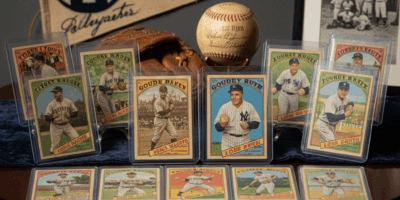
- 1933-1941 – Goudey and Play Ball establish gum cards
- 1948-1970 – Topps and Bowman dominate
- 1981-1993 – Competition explodes, junk wax era
- 1993-2010 – Premium products and inserts
- 2010-present – Grading boom and investment focus
Format Changes
How cards themselves evolved:
- Size standardization – 2.5″ x 3.5″ became standard
- Color photography – Replaced artwork
- Holographic technology – Chrome and refractor finishes
- Numbered parallels – Manufactured scarcity
- Autographs and relics – Premium inserts
The Nostalgia Factor
Cards trigger memory:
- Childhood trips to corner stores
- Trading with friends at school
- Discovering dad’s or grandpa’s collection
- The smell of bubble gum
Nostalgia drives much of adult collecting behavior.
The Digital Frontier
Cards entering digital space:
- NFT-based collectibles
- Digital-physical hybrids
- Blockchain authentication
- Virtual trading platforms
What Remains Constant
Despite all changes:
- Physical cards retain core appeal
- Player performance drives value
- Rarity matters
- Collectors crave connection to the game
The format evolves, but the fundamental appeal of owning a piece of sports history persists.



Stay in the loop
Get the latest collector sports world updates delivered to your inbox.